In this article
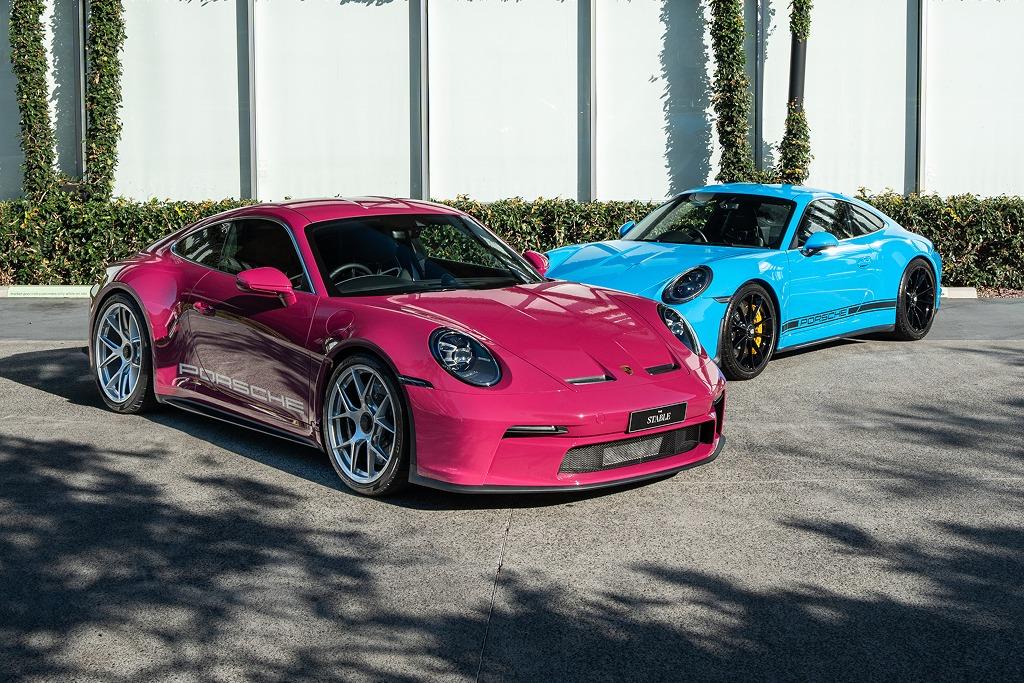
We've photographed over 300 cars for dealerships and online auction listings, from regular daily drivers to million-dollar collector cars. Leads judge a car from its listing before they pick up the phone, so your content needs to give them as much information as you can: every angle, flaws, and accessory. The gallery still has to clear a bar for presentation, because a sloppy one makes buyers wonder what else you skipped. Over those shoots, we built a system that got cars listed within 24 hours, with every listing from a given dealership matching its own consistent look.
This guide shares the car photography tips behind that system: the kit we use, the shot list and angles, how to handle Queensland light, and how to run it inside a dealership. If you'd rather hand the whole thing off, see how we work with automotive businesses.
The short version
To effectively photograph a car for sale:
- Prepare the car properly: Ensure it is clean, empty, and make the small adjustments like straightening the seatbelts, adjusting the seats, and straightening the steering wheel.
- Choose your time & place: Plan to shoot in soft light and shade, or in a well-lit indoor environment. Choose a location with a simple and clean backdrop that contrasts the colour of the car.
- Standardise your angles: Capture the same angles in the same order on every car: exterior wides, details, engine bay and boot, interior, then logbooks and keys.
- Get your shots: Aim for 30 to 40 photos as a standard rule, or up to 100 on a high-value or rare car.
- Capture video: Finish with a walkaround video on your phone.
For a dealership, the system behind your car photography matters as much as the camera. A fixed shot list, background and edit lets buyers recognise your cars on online platforms and lets you get a listing live faster than competition.
What a dealership needs from every listing
Across the dealerships and listings we've shot for, the same four priorities come up: speed to market, presentation, transparency and consistency across your stock. For a dealership, the process behind them also has to stay out of the sales team's way.
Online auction platforms set the bar for transparency. Their buyers bid on cars they've never seen in person, so the shot list covers enough for a buyer interstate to bid with confidence. That standard shaped how we think about transparency on any listing.
Prep the car before you pick up the camera
Prep caused more problems on our shoots than any camera setting. No edit hides a dirty car, and a buyer who spots dust on the dash assumes you didn't care about the rest of the car either.
Before the first frame, check:
- Wheels & tyres cleaned: Usually the most overlooked. Ensure the wheels and barrels are cleaned as this is missed the most.
- Paint & glass cleaned: If a car isn't appropriately washed, you'll be fighting a losing battle against a haze of dirt on the paint, or water-spotting that cannot be simply wiped off on location.
- Interior cleaned: It's important that the carpet is vacuumed, trim dusted, and all reflective panels free from fingerprints and smudges, these always show up more in images than in person.
- Empty the car: Remove all rubbish, air fresheners, peripherals and aftermarket accessories so you don't accidentally capture something that isn't supposed to be there.
- Check the engine bay: Engine bays are usually left in terrible state after years of use. It doesn't need to be perfect, just ensure it's free from excessive dirt, oil and grease.
For bonus points:
- Seatbelts: Straighten the seatbelts so they sit naturally flush with the interior
- Steering wheel: Level the steering wheel, this is missed more often than not
- Lights: Shoot the interior with the car running and lights on to capture the gauge cluster and infotainment screens with full visibility
- Seats: Check that all seats are inline with each other, not sitting too far forward or too far back
- Visors: Check that all visors are flipped up, with the only exception being for convertibles
If you shoot on-site, prep the background too. Clear out people, tools, rubbish and anything else you don't want a buyer to see behind the car.
The kit we use, and what you need
I shoot on a Sony A7IV. Once you have a camera body, the brand matters less than people think. I picked the A7IV for its low-light performance in interiors and for the extra megapixels, which give me room to crop and edit.
One lens covers the whole shoot. I carry a second for interiors:
- 24-70mm for everything. It's the all-rounder, and it often comes as the kit lens. It handles every shot on the list, interiors included. Its versatility is unmatched.
- 14-24mm for interiors. It's a bonus, but a helpful one. The wide angle fits whole sections of the interior into one frame that a tighter lens would crop out.
If you step up from a phone to a camera, buy a circular polariser (CPL) filter. It cuts a big share of the reflections off paint and glass, indoors and out. A CPL costs little next to the camera, and I'd treat it as essential.
A volume based dealership or private seller can get by with a recent phone. On a $25k hatchback, consistency and speed count for more than polish, and the prep, light and shot list rules below still apply.
Light and location in Queensland
Shoot in the first or last two hours of daylight, with the sun behind or beside the car. Queensland sun is harsh, and you can't always avoid it, but timing and position fix most of it.
The ideal is an overcast morning or afternoon, which cuts the contrast across the panels. You can't book the weather, so plan around the sun instead:
- Golden hour: The first and last two hours of light give you a warmer glow and much softer lighting.
- Sun position: Put the car between you and the sun, or angle it so the light hits from the side. With the sun at your back, you blow out the contrast on the car and risk throwing your own shadow onto the paint.
- Shade: In those same hours, find a spot with open shade and a shaded background. You get the soft, even light of an overcast day. I use Shade Map to show where shadows fall at any time, so you can scout a location before you book the shoot.
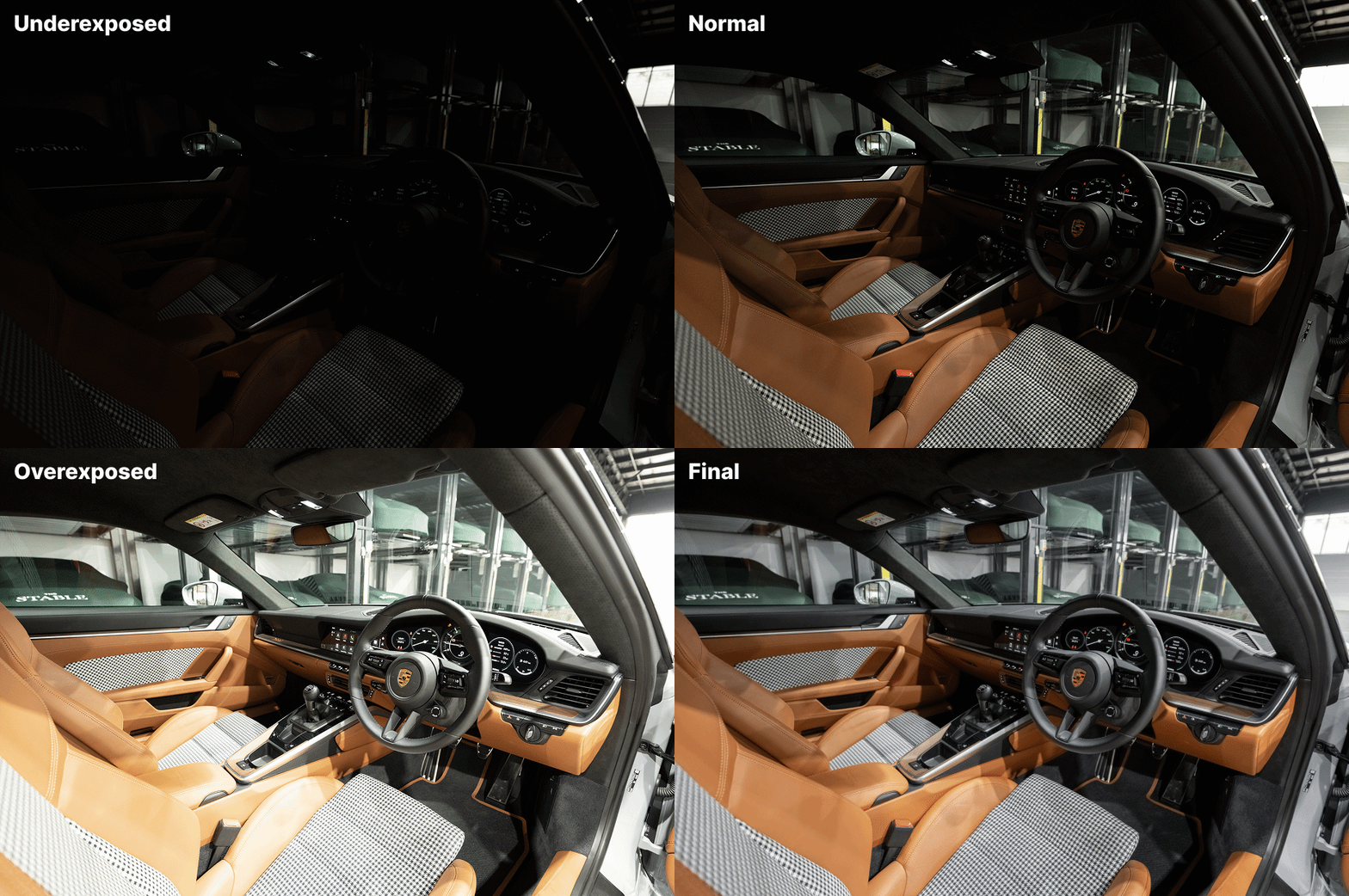
Interiors are the hardest part of shooting cars in bright sun. If you expose for the dark cabin, the sun through the windows and the background behind them blow out. You have two fixes: a camera with high dynamic range, or a time and place that keeps harsh sun off the car.
Shooting indoors and in low light
Indoor shooting gives you the same light at any hour, and editing gets faster because the lighting matches across every car. The catch is a dim showroom or workshop, where interiors turn muddy fast. If you control the space, spend the extra money on plenty of light for a dedicated photo bay.
If you can't, you can brute-force it. I've shot hundreds of cars in dim indoor light using one of two methods.
- High ISO plus AI denoise: Push the ISO up, to a maximum of around 5,000 to 6,000, to pull detail out of the shadows. Then run AI denoise in a platform like Lightroom. In the end, some grain is acceptable in a listing as we need to prioritise detail over aesthetic quality.
- Bracketed exposures: Real estate photographers use this all the time to capture bright windows and dark corners in one frame. Set your camera to shoot three brackets: under, normal and over. In Lightroom, merge them with the HDR tool into one balanced image.
A tripod gives the cleanest brackets. I shot most of mine handheld, because setting up a tripod for every interior angle took too long. If you go handheld, brace yourself, hold still and shoot a few backup sets of each angle. It will take some practice.
Car photography angles: the shot list, in order
I shoot every car in the same order. It keeps sets consistent and stops me missing an angle. The one exception: if the light is at its best when I arrive, I grab the hero shots first.
1. Exterior wides: Walk a full circle around the car, or 180 degrees if space is tight, shooting each angle.
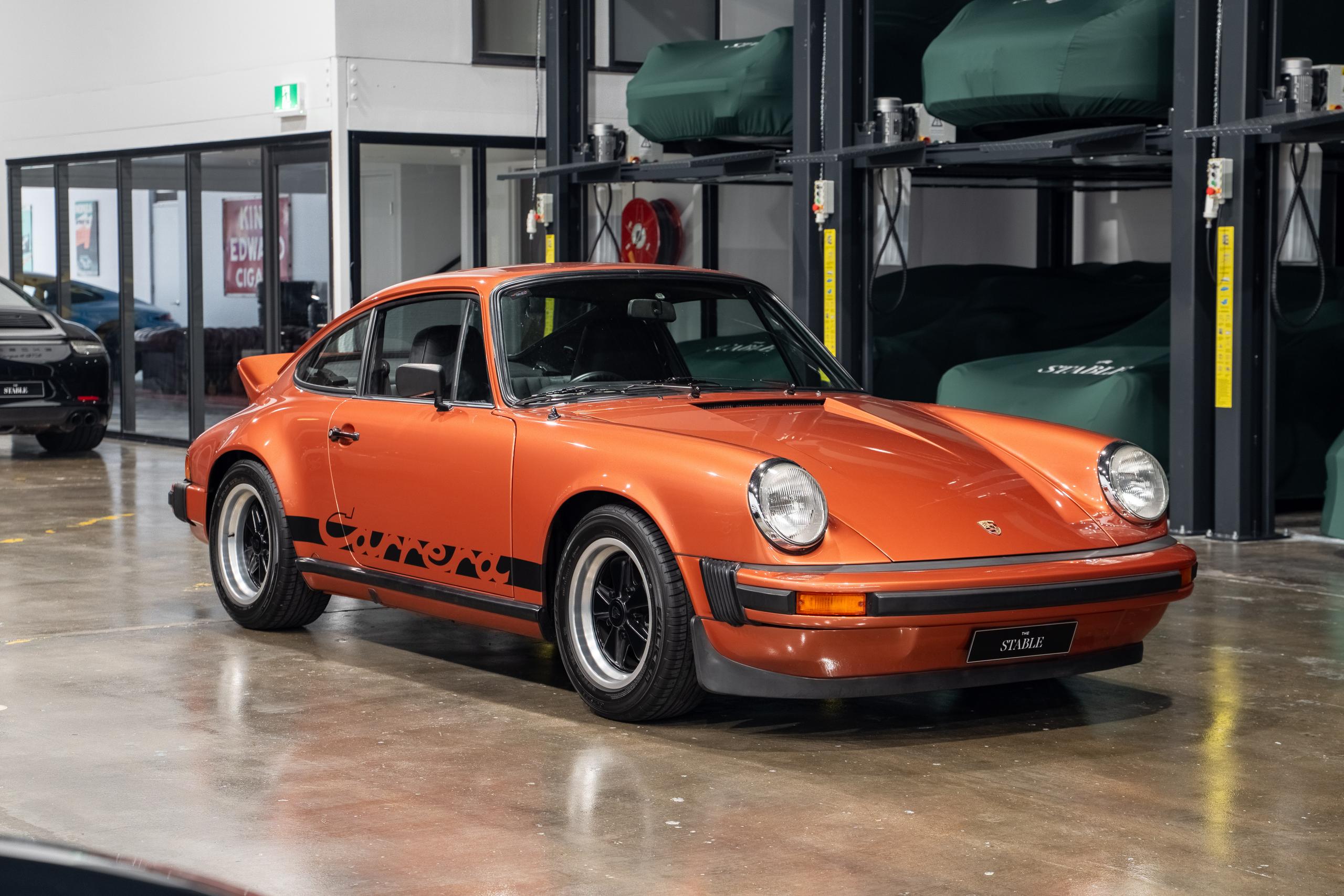
2. Exterior details: Walk the same circle again for close-ups of badges, grille, lights and wheels.
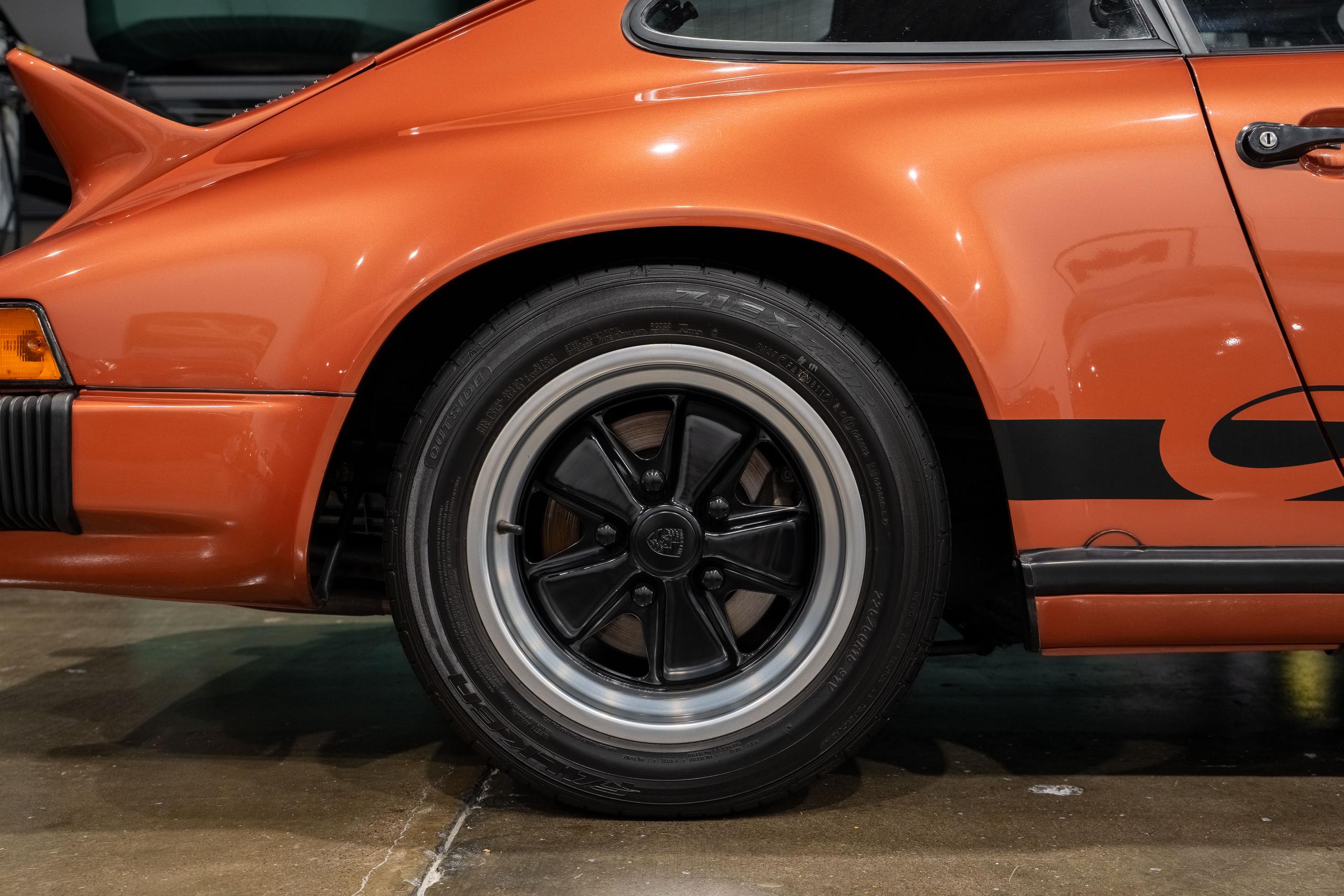
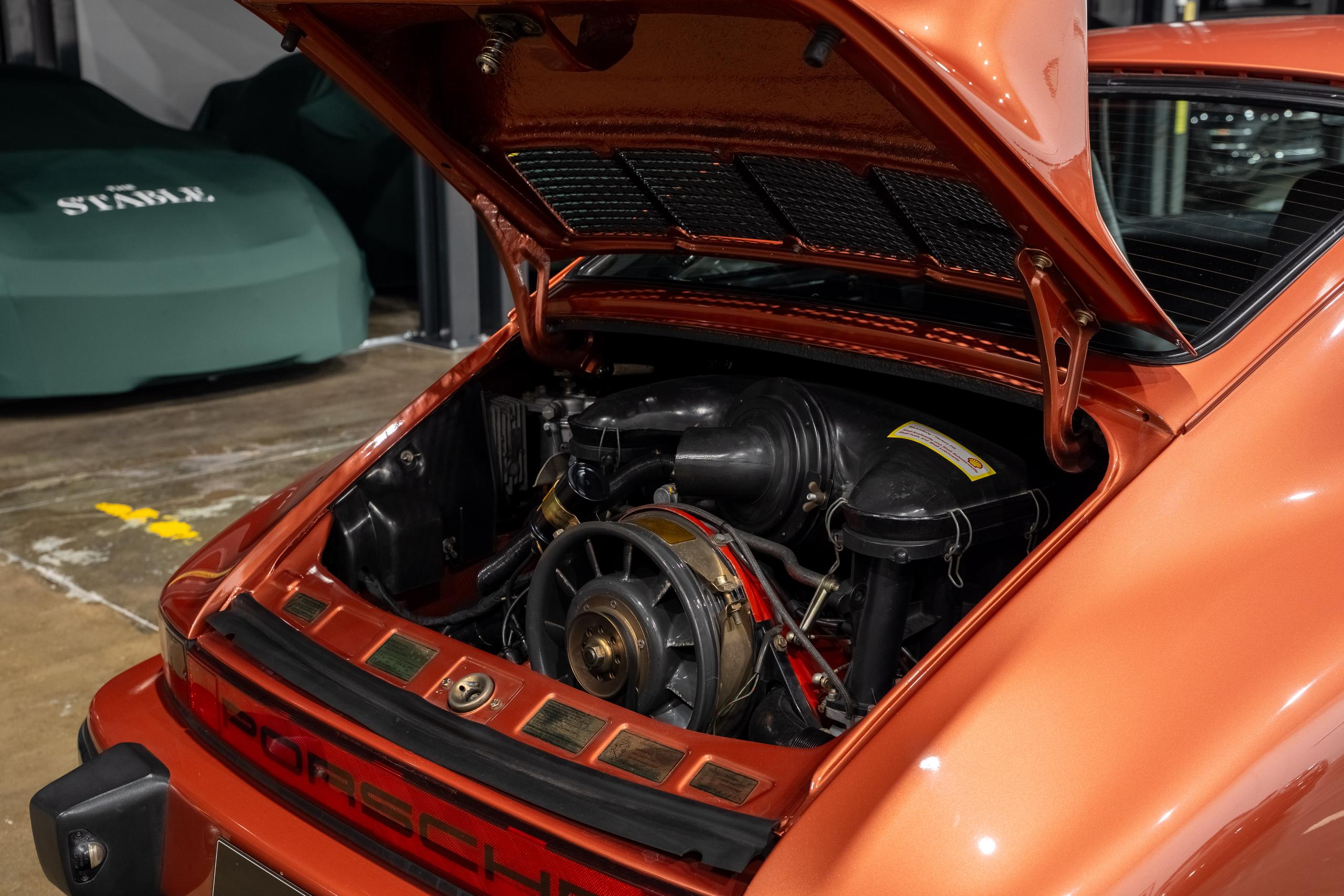
3. Engine bay and boot: Open both and shoot a mix of wides and close-ups.
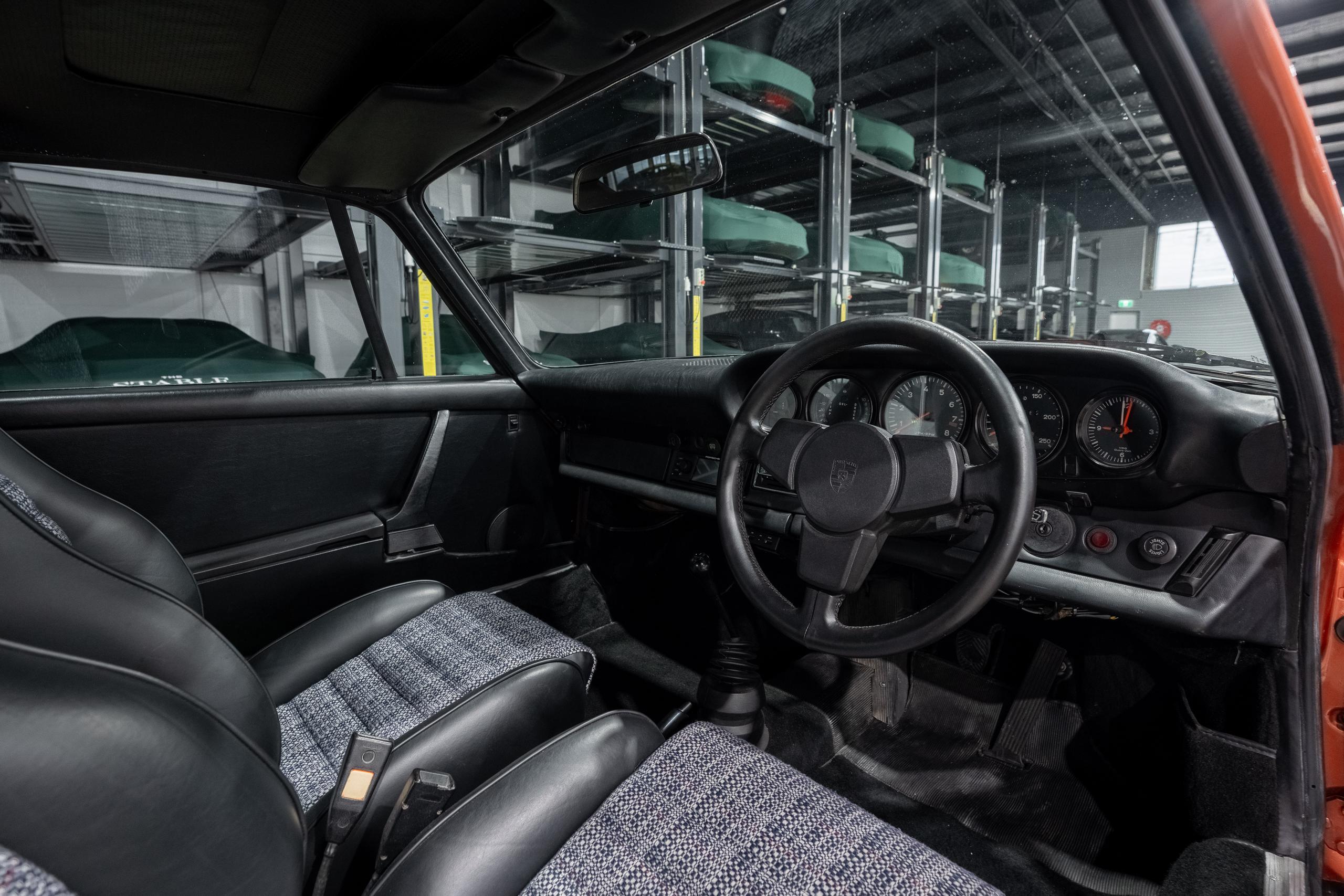
4. Interior wides: Go as wide as your lens allows and shoot every angle of the cabin from each door and seat position.
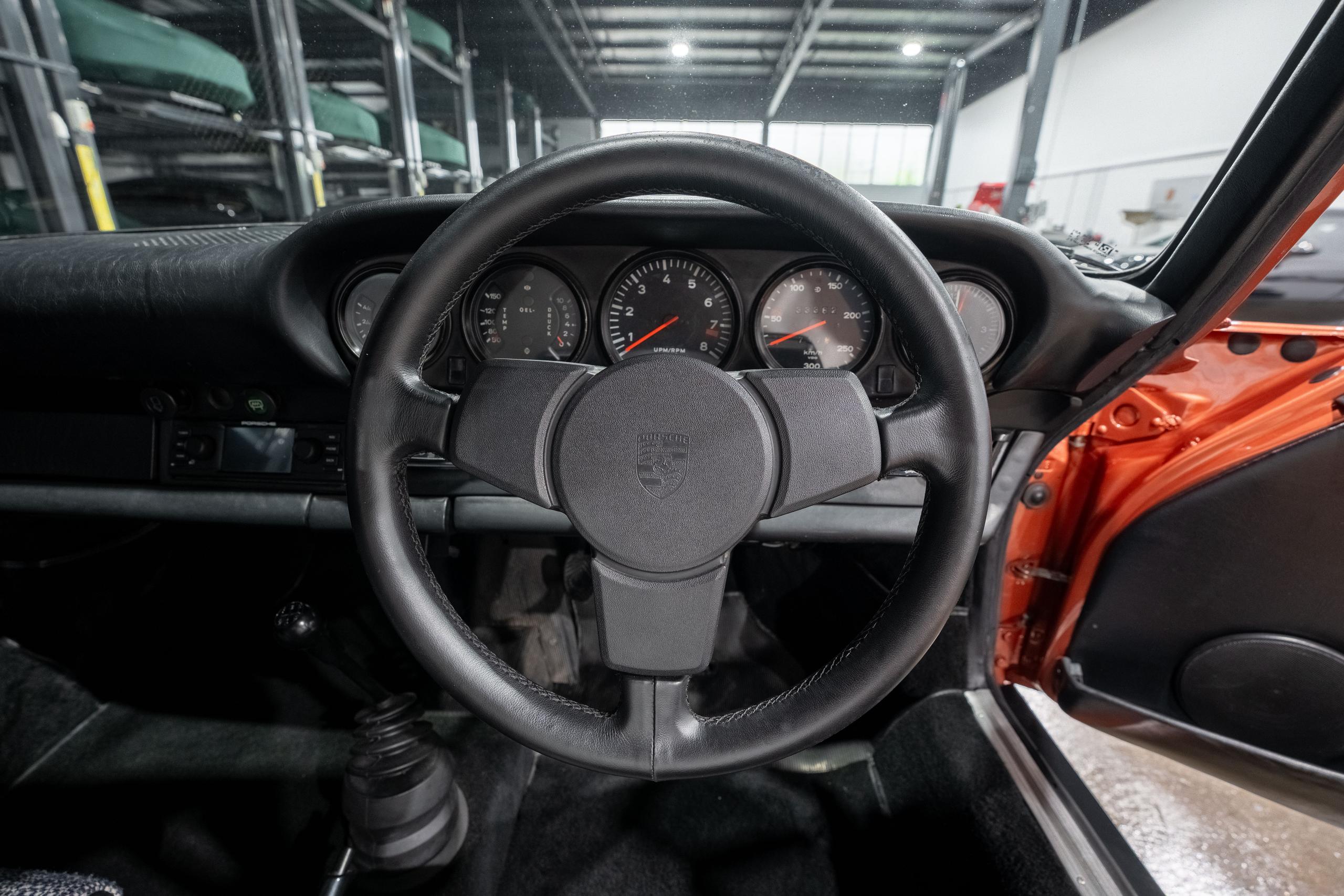
5. Interior details: Zoom in for small badges and close-ups where you need them.
6. Paperwork and accessories: Shoot the logbooks, keys and anything else that comes with the car.
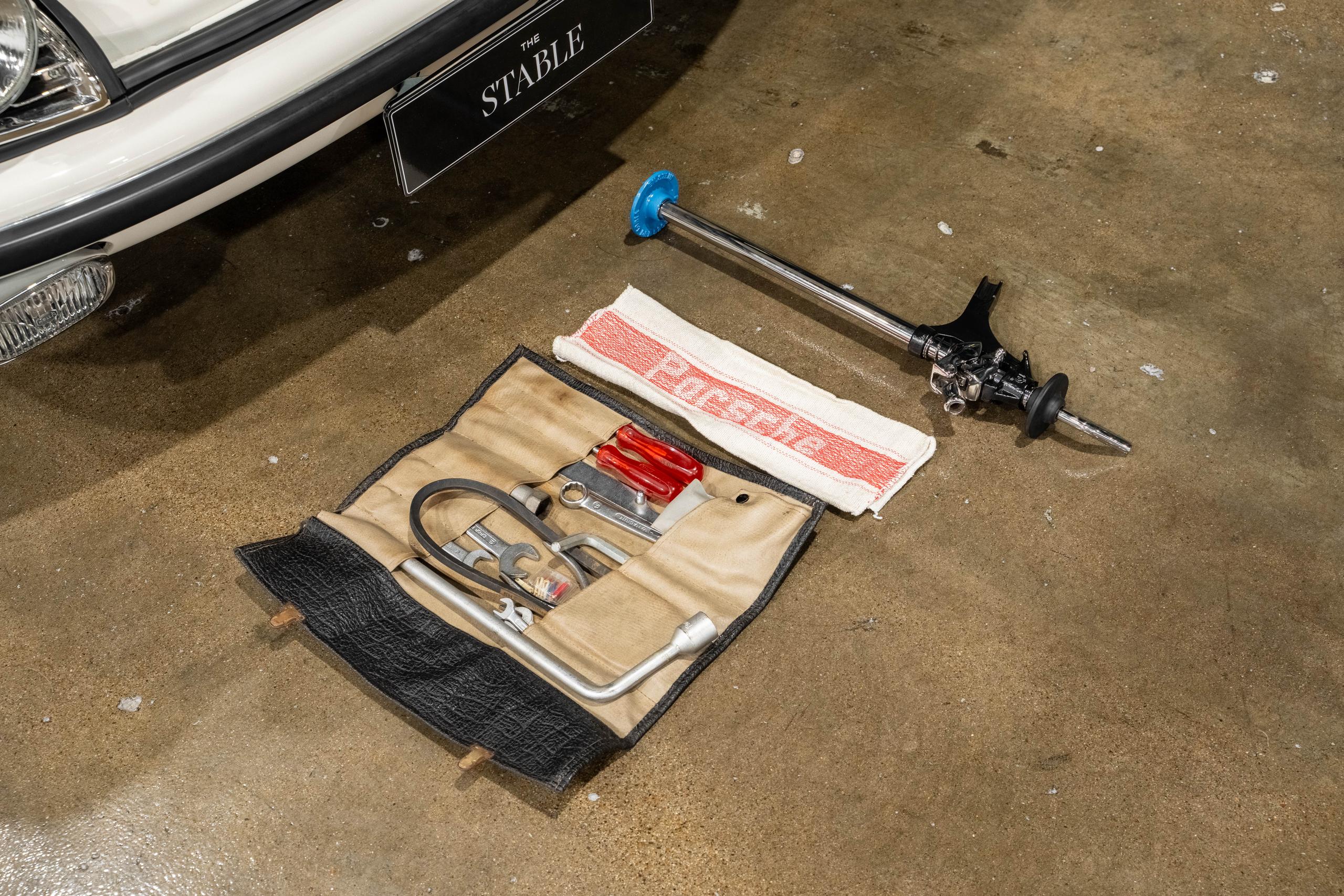
On special cars, treat the logbook as documentation. Photograph each page flat like a scan, or scan it properly, so buyers can read the service history and you can store a copy for safe keeping.
Aim for 30 to 40 final photos on a standard listing. On high-value or special cars, shoot 50 to 100 so a buyer can inspect the car properly from their couch. After a regular shoot, I end up with at least 150-200 photographs per car before the final edit.
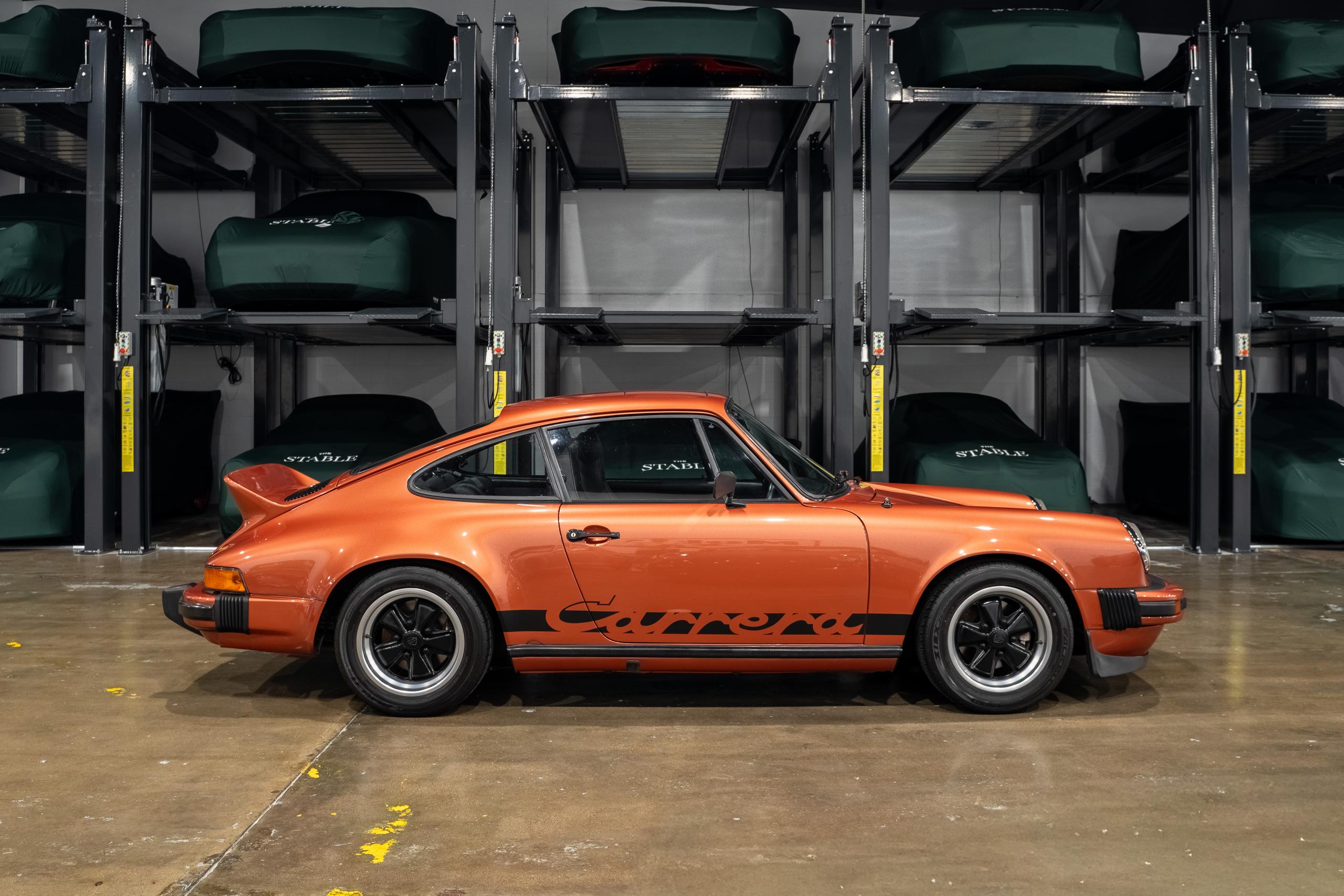
Gallery order matters as much as shot order. Lead every listing with the same hero angle so your cars look alike in the search results. For one boutique Porsche dealer we shot for, that meant a side profile against their recognisable storage racks, every time.
Finish with a walkaround video
After the stills, I get my phone out and film a walkaround. It takes a few minutes and answers questions before a buyer has to ask them.
Walk slowly and keep the whole car in frame. Go in close on the parts a buyer wants to see unfiltered, like badges, grille and wheels. Then film the engine bay, the boot and the full interior. On anything with character, add a cold start.
On our dealership work, buyers sent a steady stream of basic questions about each car, and every reply cost the sales team time. Walkaround videos, plus full photo coverage of every angle, gave buyers as much as they could reasonably need. The team spent less time answering questions the listing should have answered.
How the system works inside a dealership
A photography system turns every step into a standard: the prep checklist, the location, the shot list, the edit and the upload. Start by deciding what kind of dealership you are, whether you are a high-volume or boutique dealer, as this differentiation determines what you should be prioritising.
Boutique dealership (fewer, higher-value cars):
- Priorities: Condition transparency, image quality, consistency across images, visibility
- Preparation: Full detail plus small adjustments: seatbelts, wheels, angles, lights, seats etc
- Editing: Edited and matched across every listing
Volume dealership (more stock, faster turnover):
- Priorities: Simplicity, speed to market, consistency
- Preparation: Full clean
- Editing: Clear enough to show the detail
Speed to market
On our dealership work, we standardised the prep, the on-site shoot and the edit. That let us get every listing live within 24 hours, when most dealerships and photographers we saw took a week or more. It also gave the dealer's own clients confidence, because they knew their car would be listed at a high standard extremely fast.
Time per car
Once your prep, shot list and edit are standardised, expect about 30 minutes per car when you shoot on site at the dealership, or about 60 minutes at a separate location. Editing adds around another hour per car. Without a set process, the same work can take much longer, which is where most of the week-long delays come from.
Files and exports
Export each image under 5MB. Online listing platforms cap upload sizes, and a set that fails to upload slows the whole pipeline.
We uploaded every finished set to cloud storage, sorted into folders by stock number. The dealership ended up with a permanent library of every car we shot, ready to pull from whenever they needed a car's photos again.
High-end and collector car dealers should go a step further and scan the logbooks and service records into the same cloud folder. You can pass the folder on to the buyer at handover, and you keep a copy for safekeeping and liability.
Invisible branding on Carsales
Pay-per-lead platforms like Carsales don't let you brand your ads, because they want the enquiry to come through them instead of a prospect finding you direct. However, you can still build recognition through the photos.
For The Stable, a boutique Porsche dealer, we shot every car against the same wall of triple-stacker car storage racks and led every gallery with a side profile with small logos scattered around. A buyer scrolling Carsales could spot one of their cars from the thumbnail alone, which gave buyers a chance to go to the dealer direct.
Where it breaks
Most of the trouble we saw came from prep. A car that arrived dirty, or a background full of staff and tools, held up the whole pipeline. Lock the prep checklist in before you worry about the camera.
Easy gains most dealerships miss
Most dealerships we look at leave easy wins on the table. These are the ones we see most often:
- No video: Extremely few dealerships put walkaround videos on their website or listings. A phone video takes minutes and answers the questions buyers would otherwise call about. It also provides an unfiltered look to cars that buyers could otherwise think are touched up.
- Bad lighting: Harsh midday sun, dark interiors and blown-out windows hide the detail a buyer wants to see. Usually you notice these listings don't bother showing interiors at all.
- Too few images: A handful of photos leaves buyers guessing. Aim for 30 to 40, and more on high-value cars. You want to provide the lead with as much information as possible to feel comfortable making the commitment to talk to you.
- No logbook shots: Service history is one of the first things a serious buyer checks. Photograph the logbook pages so buyers can read them from the listing, or have the scans ready to send on request.
- A generic background: Your location can identify your cars without a logo in sight. Shoot every car in the same recognisable spot and buyers start to link the look to your dealership.
- Slow to list: Cars sit for days waiting on photos when they could be taking enquiries.
Car photography FAQs
What's the best time of day to photograph a car?
The first or last two hours of daylight. An overcast morning or afternoon is even better, because it softens the contrast across the paint.
What lens is best for car photography?
A 24-70mm handles every shot, interiors included. A 14-24mm or any wide-angle is a helpful extra for fitting whole sections of the cabin into one frame.
Do I need a polarising filter?
Yes, if you shoot on a camera. A circular polariser cuts reflections off paint and glass, and it costs little next to the camera.
How do you photograph a car interior in bright sun?
Shoot bracketed exposures and merge them in Lightroom, use a camera with high dynamic range, or move the car into shade.
Can I photograph cars for listings on a phone?
For a volume focused dealer, yes. Keep the prep, light and shot list consistent, and film the walkaround video on the phone either way. You can still make photos look professional without the full kit, with the right prep and shot list.
How many photos should a car listing have?
Aim for 30 to 40 on a standard listing. For high-value or special cars, shoot 50 to 100 so buyers can inspect the car properly.
What file size should car listing photos be?
Export each image under 5MB so it uploads to online listing platforms without issues.
Want a system like this for your dealership?
We build photo and content systems for dealerships from the shot list through to the listing going live. If your stock sits for a week before it hits Carsales, or your photos don't look like they came from one business, see how we work with automotive businesses and get in touch.
Ethan Prestidge
Co-founder
Ethan started his first business at 18, grew it to six figures in recurring revenue and sold it in 2024. Building an audience for it led him into photography, video and creative made to sell. At Uno, he leads content and client relationships.
- Organic Strategy
- Photography & Videography
- Social Media
- Design